
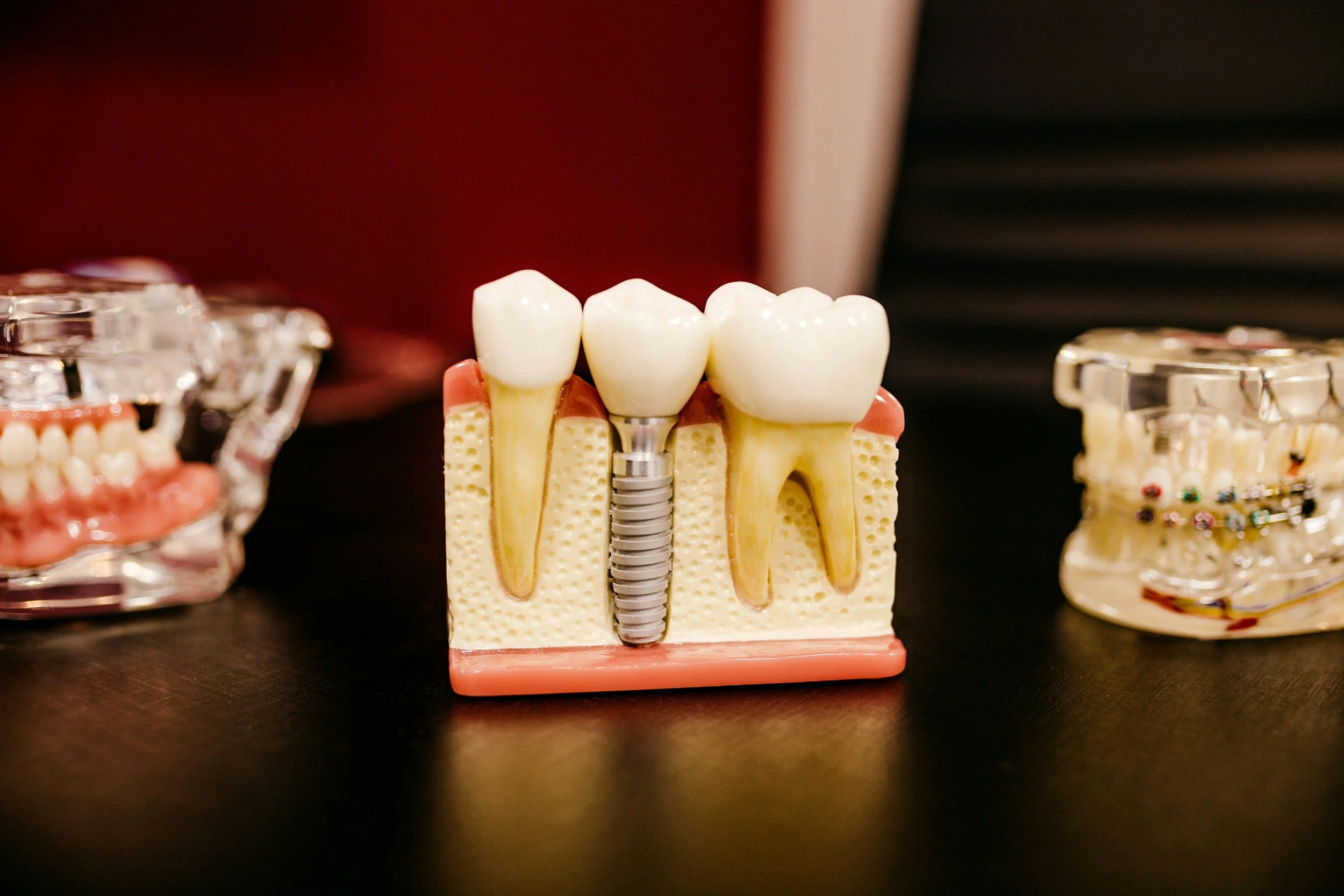
Dental implant technology has seen remarkable advancements since the 1990s, transforming the way missing teeth are replaced and significantly improving patient outcomes. These innovations have made dental implants more reliable, durable, and accessible, enhancing both function and aesthetics.
Enhanced Implant Materials
In the early 1990s, titanium was the primary material used for implants due to its strength and biocompatibility. Today, advances in material science have introduced improved titanium alloys and zirconia-based implants. These materials are stronger and more resistant to corrosion and wear, resulting in longer-lasting implants with better integration into the jawbone.
Improved Osseointegration Techniques
Osseointegration—the process by which the implant fuses with the bone—has become much more predictable. Surface treatments such as acid etching, sandblasting, and plasma spraying have increased the implant’s surface roughness, accelerating bone attachment and promoting stability. These enhancements minimize healing times and increase the success rate of implants.
Digital Imaging and Planning
The introduction of 3D imaging, including cone beam computed tomography (CBCT), has revolutionized implant placement. Clinicians can now visualize the jaw’s anatomy in detail, allowing for precise planning and placement of implants. Digital workflows reduce surgical risks, improve implant positioning, and enable customized prosthetics tailored to each patient’s unique anatomy.
Guided Implant Surgery
Computer-guided surgery, combined with digital planning, allows for minimally invasive procedures with greater accuracy. This method uses surgical guides created from digital scans to position implants exactly where planned. The result is less trauma, reduced recovery time, and improved aesthetic outcomes.
Immediate Loading and Same-Day Implants
In the 1990s, patients often had to wait months after implant placement before receiving their final restoration. Today, advancements allow for immediate loading in many cases, meaning patients can receive provisional teeth the same day as implant placement. This reduces treatment time and enhances patient satisfaction.
Advanced Prosthetics and Aesthetics
Prosthetic materials and techniques have improved dramatically, allowing for more natural-looking teeth. Modern crowns and bridges are designed to mimic natural teeth’s color, translucency, and texture. Digital design and milling technologies have further refined the fit and finish of implant restorations.
Increased Accessibility and Patient Comfort
New sedation options and refined surgical techniques have made implant procedures more comfortable and accessible to a broader range of patients, including those with medical conditions or anxiety. This expansion has helped more people benefit from dental implants’ long-term oral health advantages.
Dental implant technology has vastly improved since the 1990s, making implants safer, faster, and more natural in appearance. At Lake Harbor Dental in Boise, Idaho, we incorporate these modern advancements to provide the highest quality care. Contact us today to learn how dental implants can restore your smile with the latest technology.
