

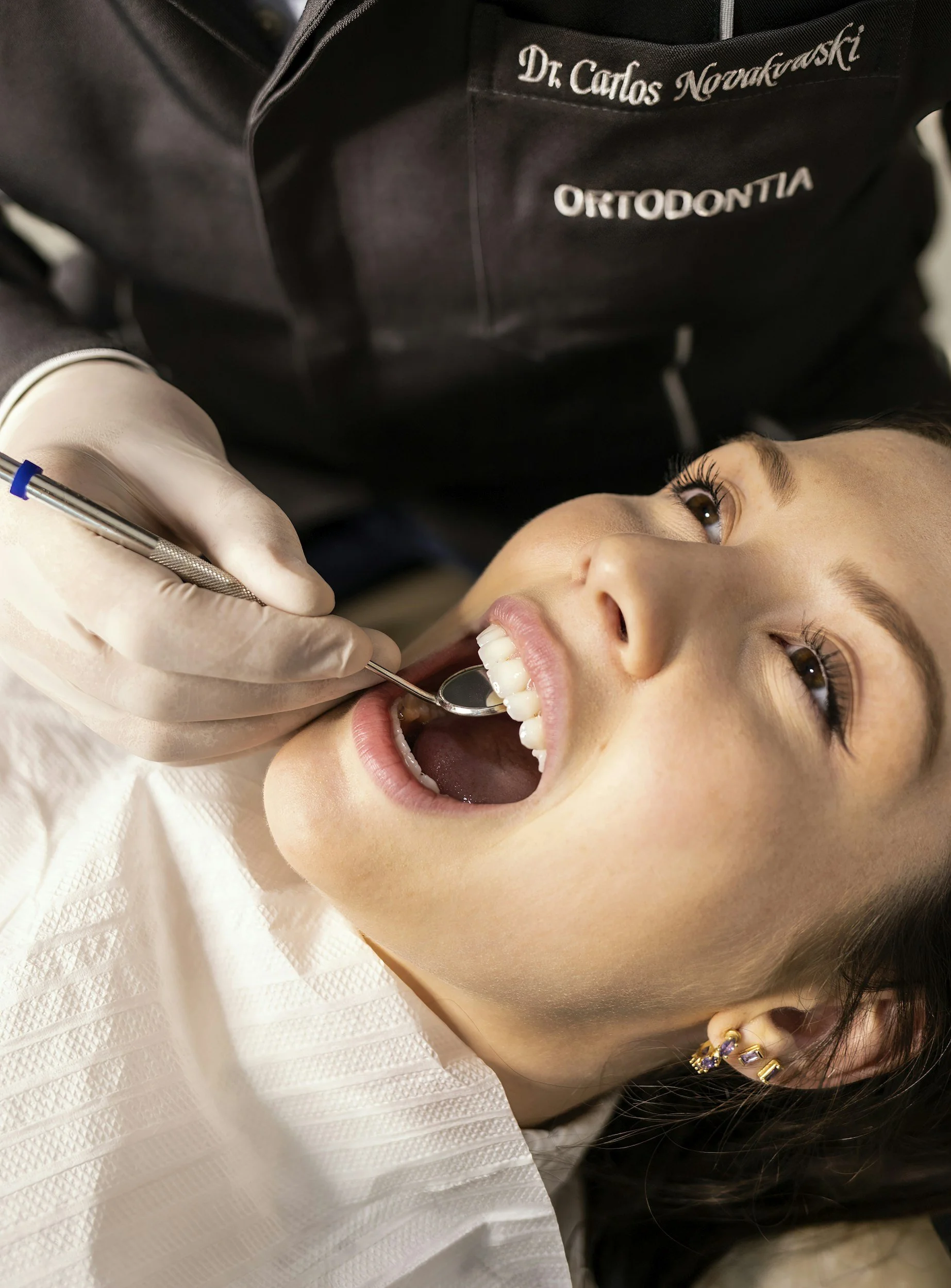
The dental office of 2026 reflects years of technological advancement, patient-centered care, and a stronger focus on overall health. As dentistry continues to integrate with medicine and digital technologies, practices that adapt will improve outcomes, efficiency, and patient experience. Here are the key trends shaping dental offices now and into the near future.
Digital dentistry becomes standard practice
Intraoral scanners and digital impressions: More practices are replacing traditional molds with fast, accurate intraoral scanning. This improves patient comfort and speeds up restorative workflows.
Chairside CAD/CAM restorations: Same-day crowns and onlays continue to grow as milling and ceramic technologies become faster and more reliable.
3D printing: Offices are using 3D printers for models, surgical guides, aligner trays, and temporary restorations, cutting lab turnaround times and costs.
Integration of artificial intelligence (AI)
Diagnostics and treatment planning: AI-assisted radiograph analysis helps detect cavities, bone loss, and pathology earlier and with consistent accuracy.
Predictive analytics: Practices use data to forecast appointment no-shows, identify at-risk patients, and personalize recall intervals.
Workflow automation: AI streamlines scheduling, billing, and patient communications, freeing staff to focus on care and patient experience.
Teledentistry becomes part of routine care
Remote consultations: Virtual visits for triage, follow-up, and minor concerns reduce unnecessary in-office appointments and expand access.
Hybrid care models: Practices combine in-person treatments with telehealth check-ins, improving convenience for busy or mobility-limited patients.
Greater emphasis on preventive and minimally invasive care
Early caries detection: Technologies like fluorescence and quantitative caries detection enable less invasive interventions and remineralization strategies.
Minimally invasive restorations: Smaller preparations and adhesive techniques preserve tooth structure and extend tooth longevity.
Personalized oral care plans: Data-driven prevention protocols tailored to each patient’s risk factors (microbiome, diet, medical history) become the norm.
Cross-disciplinary collaboration with medical care
Oral-systemic health connections: Stronger coordination with primary care, cardiology, endocrinology, and obstetrics highlights oral health’s role in overall wellness.
Shared records and referrals: Secure digital systems allow quicker exchange of oral and medical records, improving chronic disease management (e.g., diabetes) and perioperative care.
Enhanced patient experience and accessibility
Patient-centered scheduling: Expanded hours, same-day emergency slots, and online booking cater to modern lifestyles.
Contactless and streamlined check-in: Digital forms, mobile payment, and contactless check-in reduce wait times and administrative burden.
Inclusive care environments: Practices invest in accessibility, language services, and culturally competent care to serve diverse communities.
Sedation and pain-management innovations
Wider adoption of conscious sedation options: Nitrous oxide, oral sedation, and IV sedation are increasingly used to make complex procedures more tolerable.
Multimodal analgesia: Combining methods to reduce opioid reliance and manage postoperative discomfort safely.
Patient monitoring tech: Improved monitoring devices enhance safety during sedation, especially in dental offices offering more advanced cases.
Sustainable and eco-conscious practices
Environmentally responsible materials: Biocompatible, recyclable, and lower-waste consumables are gaining traction.
Energy-efficient clinics: LED lighting, efficient HVAC, and green building practices reduce operational costs and environmental footprint.
Waste reduction protocols: Digital records, less single-use plastic, and responsible disposal of dental materials align practices with patient values.
Advanced implant and restorative techniques
Guided implant surgery: 3D planning and surgical guides improve accuracy and predictability for single and full-arch restorations.
Immediate loading protocols: Faster prosthetic workflows allow restoration of function and esthetics sooner for many patients.
Bioactive materials: New restorative and implant surface technologies promote tissue integration and long-term success.
Focus on staff well-being and training
Continuous education: Regular upskilling in digital tools, sedation safety, and patient communication ensures staff competence.
Burnout prevention: Flexible schedules, supportive workplace culture, and efficient systems keep teams engaged and reduce turnover.
Team-based care models: Expanded roles for hygienists, dental therapists, and expanded-duty assistants improve access and practice efficiency.
What this means for patients
Faster, more convenient care with fewer visits for complex procedures.
More accurate diagnoses, earlier interventions, and treatments that preserve natural tooth structure.
Better coordination with medical care and a more holistic approach to health.
Safer sedation options and pain management tailored to individual needs.
Greater convenience through telehealth and digital communication tools.
What trends would you like to see in your local Boise, Idaho dentist office in the New Year? Let us know in the comments or schedule an appointment today.
