
Every six months. Most of us have heard that number since childhood, and most of us have also gone longer than that at some point without much thought. So is it an actual clinical recommendation, or just a scheduling convention that stuck?
The short answer is that six months is a solid default for most healthy adults. But it isn't a universal rule, and for some people it's genuinely not often enough.
What Actually Happens During a Cleaning
It helps to understand what you're paying for. A professional cleaning isn't just a more thorough version of brushing.
Brushing and flossing remove plaque, the soft film of bacteria that builds up daily. What they can't remove is tartar, which is plaque that has hardened onto the tooth surface. Once tartar forms, no amount of at-home brushing will take it off. It requires professional instruments.
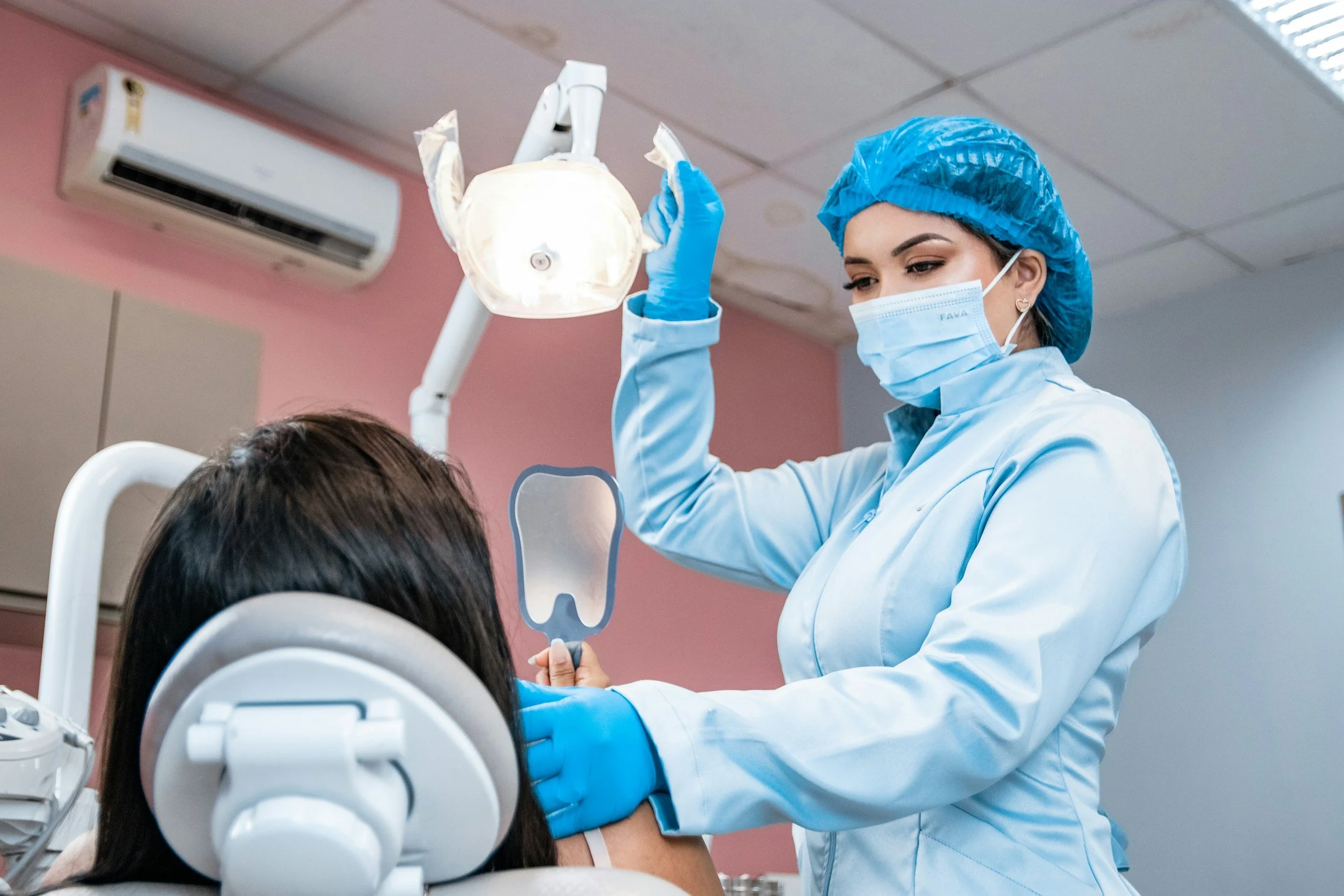
That matters because tartar sits at and below the gumline, where it irritates gum tissue and creates the conditions for gum disease. A hygienist removes that buildup, polishes the teeth, and checks for early signs of trouble in places you can't see. The exam portion catches small cavities, cracks, and gum issues while they're still cheap and simple to fix.
Why Six Months Became the Standard
The interval exists because of how quickly plaque hardens into tartar and how long it typically takes for early gum inflammation to progress into something more serious. Roughly six months is the window where most people's buildup is still manageable and most developing problems are still small.
It's a reasonable average. But averages don't describe everyone.
When You Might Need to Come In More Often
Some people benefit from a three or four month schedule instead. That usually applies if you:
Have a history of gum disease or periodontal treatment
Smoke or use tobacco products
Have diabetes, which affects gum health and healing
Build up tartar unusually quickly, which is partly genetic
Are pregnant, since hormonal changes increase gum sensitivity and inflammation
Wear braces or aligners that make thorough home cleaning harder
Have a history of frequent cavities
If any of those apply to you, it's worth asking your dentist directly what interval makes sense. The answer is often more specific than the standard recommendation.
Can You Go Longer Than Six Months?
Some patients with excellent home care and no risk factors do fine on a slightly longer schedule. But there's a catch worth understanding. The cleaning itself is only half the appointment. The other half is the exam, and that's where problems get caught early.
A cavity found at a routine checkup is usually a filling. The same cavity found a year later can be a crown or a root canal. Skipping visits doesn't just delay a cleaning, it removes the checkpoint that keeps small problems small.
What You Can Do Between Visits
Nothing replaces professional cleaning, but consistent home care determines how much buildup you arrive with. Brush twice daily for two full minutes, floss once a day, and don't skip the back molars, which are where most people get lazy. Limiting frequent snacking and sipping sugary drinks throughout the day also helps more than people realize, since it's the constant acid exposure rather than the total sugar that does the damage.
Due for a Visit?
If it's been longer than you'd like to admit, that's a common situation and not one anyone here will lecture you about. Lake Harbor Dental provides dental cleanings in Boise for patients of all ages, and scheduling multiple family appointments together can make keeping up with it considerably easier.
Book an appointment online or call 208-853-4687. Getting back on schedule is easier than staying off it.
