
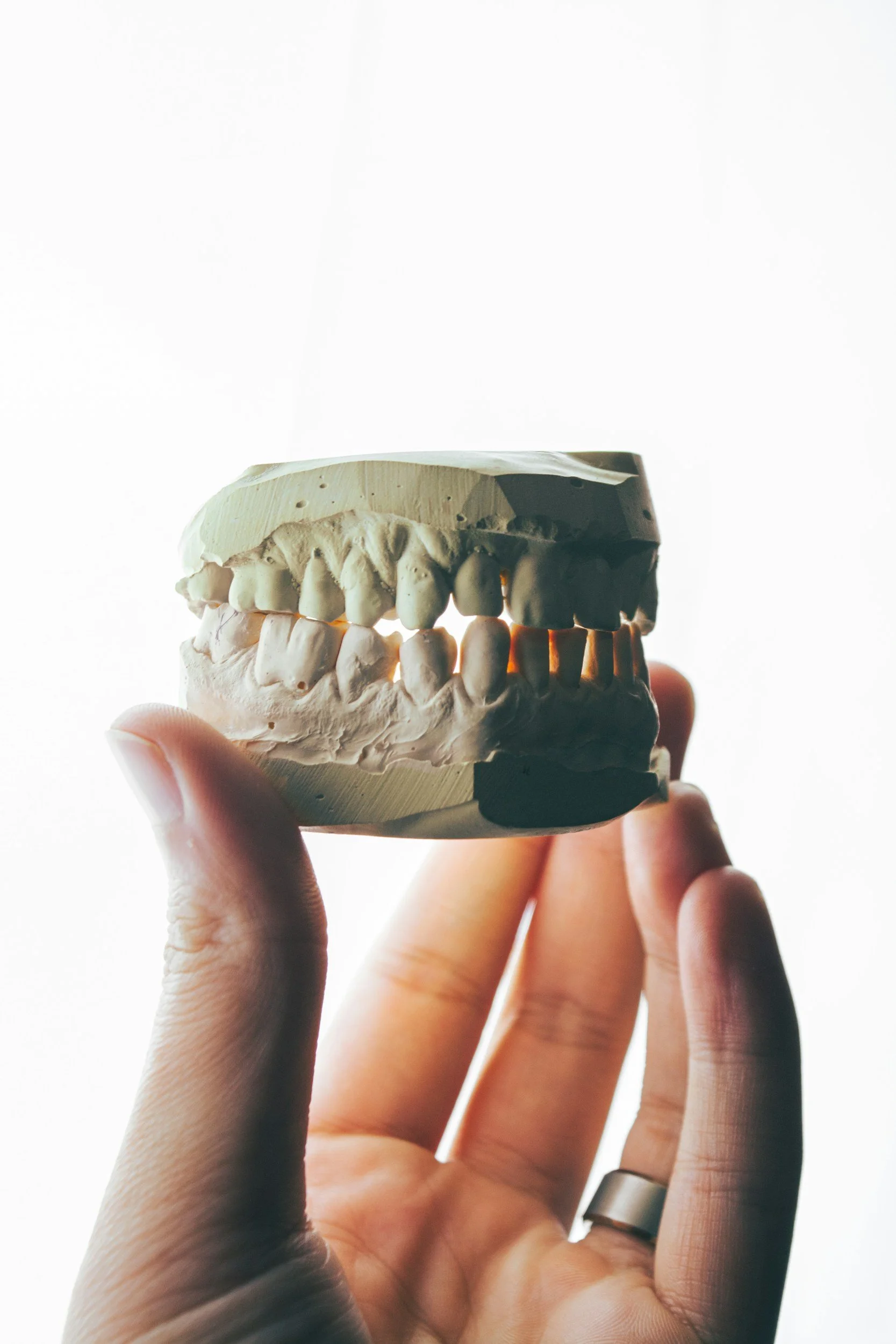
Mention dentures and a lot of people picture something from decades ago. Bulky, obviously artificial, prone to slipping at the worst possible moment. That image has stuck around far longer than it deserves to, because today's dentures look and function very differently than the ones people remember from a grandparent's bathroom counter.
If you're facing significant tooth loss and wondering what your options actually look like in 2026, here's an honest overview.
What Dentures Are Designed to Do
At the most basic level, dentures replace missing teeth and the surrounding tissue. But they do more than fill a gap cosmetically. Missing teeth change how you chew, how you speak, and over time, how your face is structured, since the jawbone tends to lose density in areas where teeth are no longer present.
A well-made denture restores chewing function, supports the muscles of the face, and gives you back a natural-looking smile. That last part matters more than people expect. Patients often mention that they stopped smiling in photos long before they did anything about their teeth.
The Main Options
Full dentures replace an entire arch of teeth, either upper, lower, or both. They rest directly on the gums and are removable for cleaning.
Partial dentures are for patients who still have some healthy natural teeth. They fill in the gaps and clasp onto the remaining teeth for stability, which also helps prevent those teeth from shifting into the empty space over time.
Implant-supported dentures are the option that has changed the conversation most. Instead of resting on the gums alone, the denture attaches to a small number of dental implants placed in the jaw. The result is dramatically more stable, doesn't shift while eating, and helps preserve jawbone density in a way traditional dentures can't. They cost more upfront, but for many patients the difference in daily comfort is significant.
What the Process Looks Like
Getting dentures isn't a single appointment. It typically starts with an exam and imaging to evaluate your jaw, gums, and any remaining teeth. If extractions are needed, there's usually a healing period before final dentures are fitted, though temporary dentures can often be worn in the meantime so you're never without teeth.
Impressions are taken, a trial fitting is done to check bite and appearance, and adjustments are made before the final set is delivered. Small refinements in the first few weeks are normal and expected. Your mouth is adapting, and the fit gets dialed in as it does.
The Adjustment Period Is Real, But It Passes
Most new denture wearers need a few weeks to fully adjust. Speaking can feel slightly different at first, and certain foods take practice. Starting with softer foods and cutting things into smaller pieces makes the transition easier. Reading out loud is a genuinely useful trick for getting your speech back to normal faster.
If something is rubbing, causing a sore spot, or feeling loose beyond the first couple of weeks, that's worth a call rather than something to tough out. Adjustments are a normal part of the process.
Caring for Them
Dentures need daily cleaning just like natural teeth, using a soft brush and a cleanser made specifically for dentures rather than regular toothpaste, which can be too abrasive. They should be kept moist when not being worn, and regular dental checkups still matter, both to check the fit and to monitor the health of your gums and jaw.
Wondering If Dentures Are the Right Fit?
Every situation is different, and the right answer depends on how many teeth are involved, the condition of your jawbone, and what matters most to you day to day. Lake Harbor Dental offers dentures in Boise and can walk you through the realistic options for your specific case, including whether implant support makes sense.
Book a consultation online or call 208-853-4687. A conversation costs nothing and usually clears up more than an afternoon of searching will.
